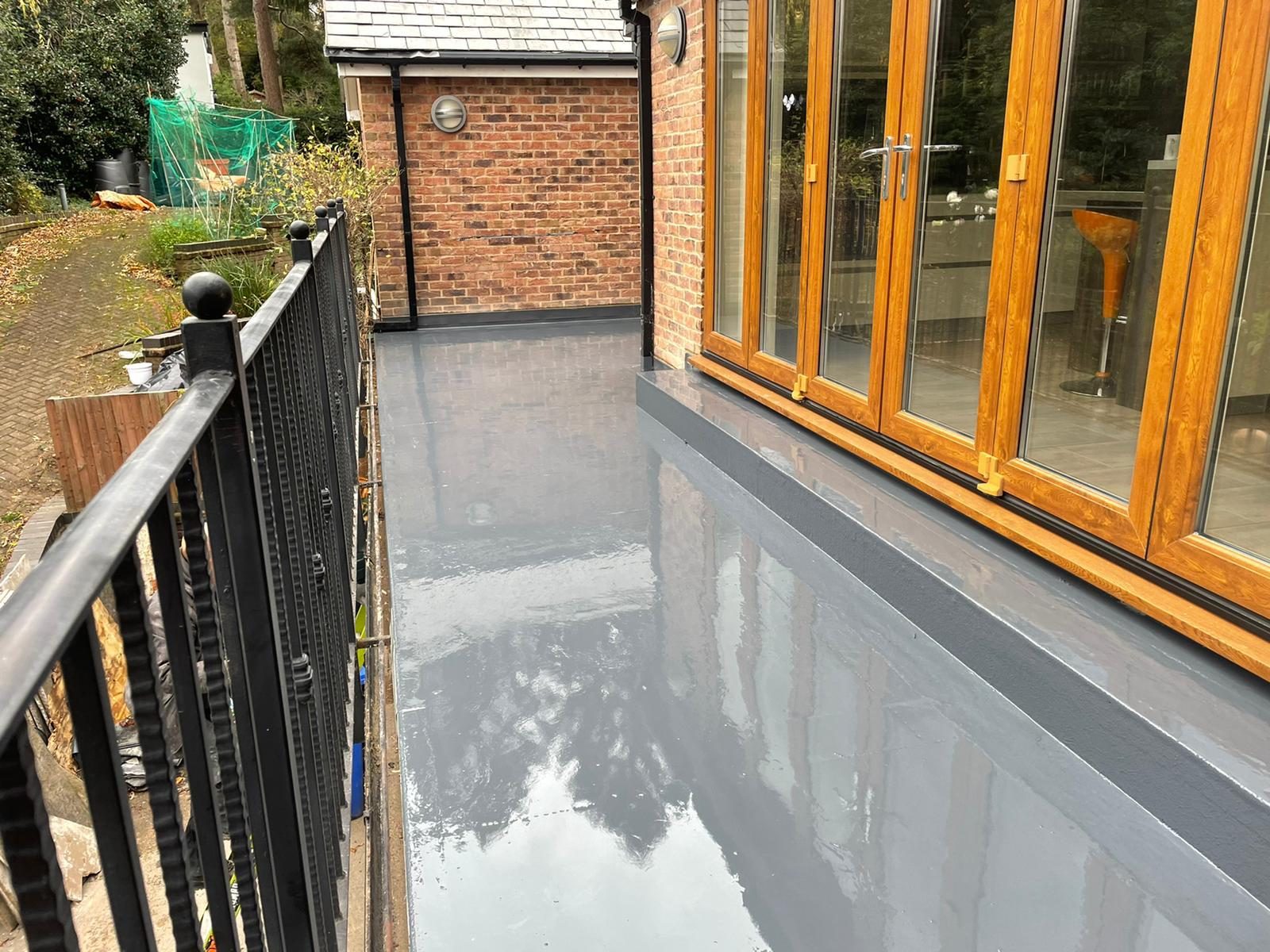
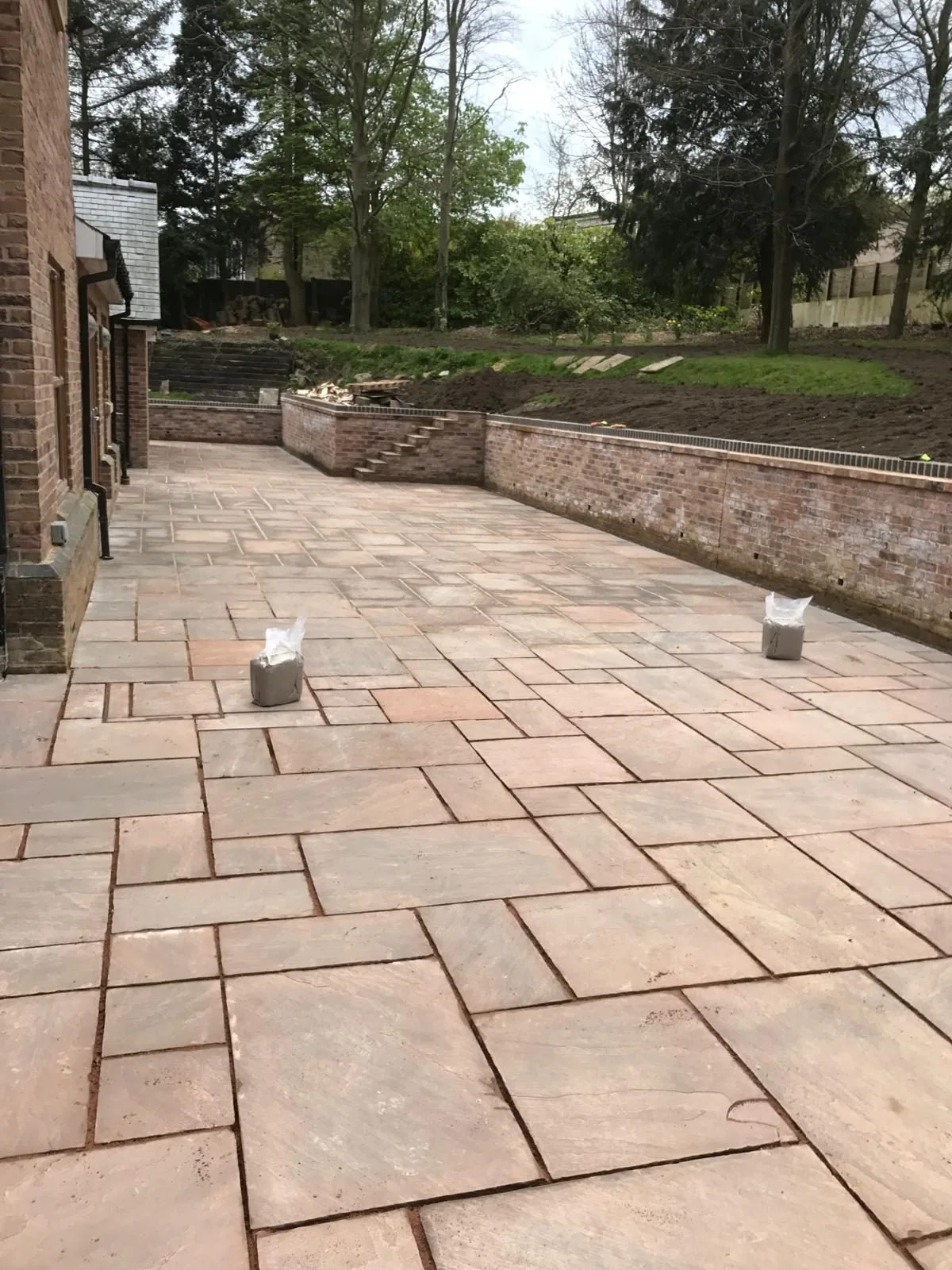
Patio Installation in Sheffield Laid on a Proper Base So It Stays Level for Years
A patio that doesn't sink, crack or flood. Built on a properly prepared sub-base with the right falls, by a builder with 45 years' experience.
45 Years
Hands-on trade experience
6-Year
Guarantee on building work
£1m
Public liability insurance
Free
Site visit & written quote
Stage
Payments as work completes
Patio Installation
Why the work under the slabs matters most
A new patio gives you usable outdoor space for eating, relaxing and entertaining, and finishes off a garden, especially after an extension.
It's for homeowners replacing a cracked or uneven patio, families wanting a level area for outdoor furniture, and anyone who's had an extension built and needs the garden brought back together.
What you see is the paving. What decides whether it lasts is what's underneath: excavation to the right depth, a compacted sub-base, a full bed of mortar and falls that shed water away from the house.
Garry approaches patios as building work, not gardening, which is why they stay flat and drain properly long after they're laid.
Don't leave it to chance
What happens when a patio is laid badly
Most patio failures come from rushed groundwork.
Sinking and rocking slabs
Laying on soft ground or dot-and-dab mortar leaves slabs unsupported, so they settle and move.
Water pooling or running to the house
Without correct falls, rain sits on the patio or runs toward the walls, risking damp.
Bridging the damp-proof course
A patio set too high against the house can let moisture bypass the DPC and into the walls.
Weeds and failing joints
Poor jointing lets weeds through and washes out over time.
Common mistake: skipping the sub-base
Saving on excavation and hardcore is the single biggest cause of failed patios.
Our process
How your patio installation project runs
- 1
Free site visit
Garry looks at levels, drainage, access and the area you want paved.
- 2
Design and materials
Agree size, shape and paving type, and how water will be managed.
- 3
Detailed quotation
A clear written quote for excavation, base and laying.
- 4
Excavation and laying
Dig out, compact the sub-base, lay on a full mortar bed with falls, then joint.
- 5
Completion and guarantee
Final clean and check, with a 6-year guarantee on the building work.
What you get
The result, not just the work
Stays level
A properly compacted sub-base and full mortar bed stop slabs moving.
Drains correctly
Falls take water away from the house.
Protects your walls
Levels set to respect the damp-proof course.
Finishes your extension
Tie the garden back in after building work.
Clear pricing
Bespoke written quote after a free visit.
6-year guarantee
Backed by £1m public liability insurance.
In detail
Patio materials and construction
The right material depends on the look you want, budget and how the space will be used.
Natural stone
Sandstone, limestone and slate give a natural look. Riven stone has a textured surface; sawn stone is smoother and more contemporary.
Porcelain paving
Porcelain is dense, stain resistant and low maintenance, with a uniform modern finish. It needs a suitable bonding primer and careful laying because it doesn't absorb mortar like stone.
Concrete slabs
A cost-effective option available in many colours and textures.
The sub-base
Ground is excavated, a compacted layer of hardcore installed, and slabs laid on a full mortar bed, not spots of mortar, so every slab is fully supported.
Falls and drainage
Patios are laid with a gentle fall away from the house. Where that isn't possible, drainage channels can collect the water.
Levels and steps
Sloping Sheffield gardens often need steps or retaining walls, which we can build as part of the job.
Choosing a colour and finish
Lighter paving reflects heat and makes small gardens feel larger, while darker tones hide marks and suit contemporary homes. Textured finishes give better grip in wet weather, which matters on north-facing patios that stay damp for longer. Viewing samples in your own garden, in daylight, is the most reliable way to choose.
Paths and access
A patio often works best when it connects to paths, side gates and steps. Extending the same paving or a complementary material along a path makes the whole garden easier to use and gives a consistent finish.
Permeable options
Large areas of hard paving can increase surface water run-off. Where drainage is a concern, using permeable jointing or channelling water to a soakaway or garden bed helps manage rainfall.
Size and position
A patio should be big enough for the furniture you'll actually use, with room to walk around the table. Positioning it to catch afternoon or evening sun makes it far more likely to be used. Garry can help you mark out the space on the site visit.
Jointing options
Joints can be filled with traditional sand and cement mortar, or with modern jointing compounds that are quicker to apply and resist weeds. The right choice depends on the paving material and joint width.
Edges and transitions
Where a patio meets a lawn, borders or paths, a solid edge restraint keeps outer slabs from moving. Where it meets the house, the level is set to stay clear of the damp-proof course, and at doorways a sensible threshold step is formed.
Sloping gardens
Many gardens around Sheffield, Dore and Dronfield slope. Creating a level patio can mean cutting into the slope or building it up, often with retaining walls. These need proper foundations and drainage behind them, which is general building work rather than landscaping.
After an extension
Building work usually leaves the garden disturbed. Laying a new patio as part of the same project ties the extension to the garden and means one builder finishes the whole job, including levels at the new doors.
Looking after your patio
Natural stone benefits from occasional cleaning and, for some types, sealing. Porcelain needs little more than a wash. Garry can advise on simple care for the material you choose.
Working with Garry on your patio installation
When you contact GT Travis Builders about patio installation, you speak to Garry Travis, the builder who will run the job. He has 45 years of hands-on experience in the trade, and he'll visit your home free of charge to look at the work in person rather than quoting from a phone call.
After the visit you get a detailed written quotation. Pricing is bespoke to your property, with no set packages, so you're only paying for what your home actually needs. Payments are made in stages as the work progresses, which means your money follows completed work.
If drawings or structural calculations are needed, Garry works with trusted architects and structural engineers. If you already have plans, he builds to them. Where building regulations apply, he coordinates with building control officers throughout and manages the job through to final sign-off.
Before any work starts, Garry explains the order the job will run in, what will happen on each stage, and what you'll need to do, such as clearing rooms or choosing finishes, so there are no surprises once work begins. If anything unexpected is found once the job is underway, he explains it and the options before any extra work goes ahead.
All building work carries a 6-year guarantee, and GT Travis Builders Ltd holds £1,000,000 public liability insurance. We're based in Basegreen, Sheffield, and carry out patio installation across Sheffield, Chesterfield, Rotherham, Mosborough, Ecclesall, Dore, Dronfield, Staveley, Wickersley.
Before you hire anyone for patio installation
Get a written, itemised quote. A proper quote for patio installation lists what's included, preparation, materials, making good and removal of waste, so there are no surprise extras later.
Ask who will be doing the work. Know who is responsible on site and who you call if something isn't right. With GT Travis Builders, that's Garry.
Check the guarantee and insurance. Ask how long the work is guaranteed for and whether the builder holds public liability insurance. Ours: 6 years, and £1m cover.
Agree how payments work. Avoid paying large sums up front. Stage payments linked to completed work protect you throughout the job.
Confirm who handles approvals. If building regulations or planning apply, agree who deals with them and who obtains the completion certificate.
Related services
Patio Installation near you
Questions
Patio Installation: frequently asked questions
Free site visit · Free quote
Get a patio built to stay flat and dry.
Garry will visit, look at the job properly and give you a detailed written quote, no obligation. Every job comes with a 6-year guarantee and £1m public liability insurance.